
Creating an inviting and functional outdoor space is an excellent way to extend your living area and enhance your home's value. One of the most effective ways to achieve this transformation is by adding a custom deck. A well-designed deck not only maximizes the potential of your backyard but also provides a perfect spot for relaxation, entertainment, and enjoying the great outdoors. This blog explores the benefits of a custom deck, key considerations for designing one, and tips for maintaining your deck to ensure it remains a stunning feature of your home for years to come.
Benefits of a Custom Deck
Personalized Design
A custom deck allows you to tailor the design to suit your specific needs and preferences. Whether you envision a large space for hosting parties or a cozy nook for quiet evenings, a custom deck can be designed to match your lifestyle. You can choose the size, shape, materials, and features that best fit your vision and your backyard's unique characteristics.
Increased Home Value
Adding a custom deck can significantly increase your home's market value. Prospective buyers often look for homes with outdoor living spaces, and a well-crafted deck can make your property more appealing. A deck enhances the aesthetic appeal and functionality of your home, making it a desirable feature for potential buyers.
Enhanced Outdoor Living
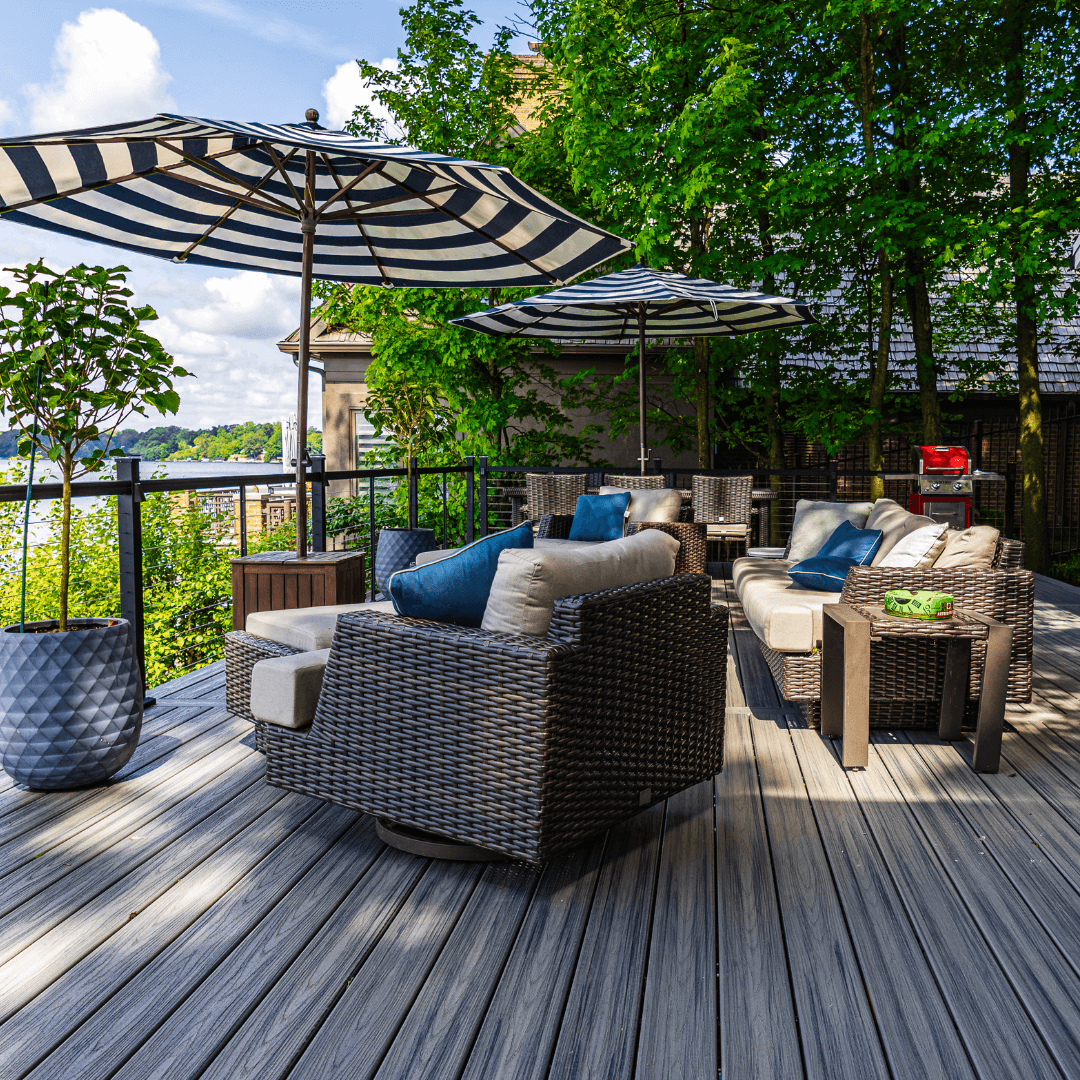
A custom deck transforms your backyard into an extension of your indoor living space. It provides an ideal spot for various activities such as dining, entertaining, gardening, or simply relaxing. By creating a seamless transition between your indoor and outdoor spaces, a deck encourages you to spend more time outdoors, enjoying the fresh air and natural surroundings.
Versatility and Functionality
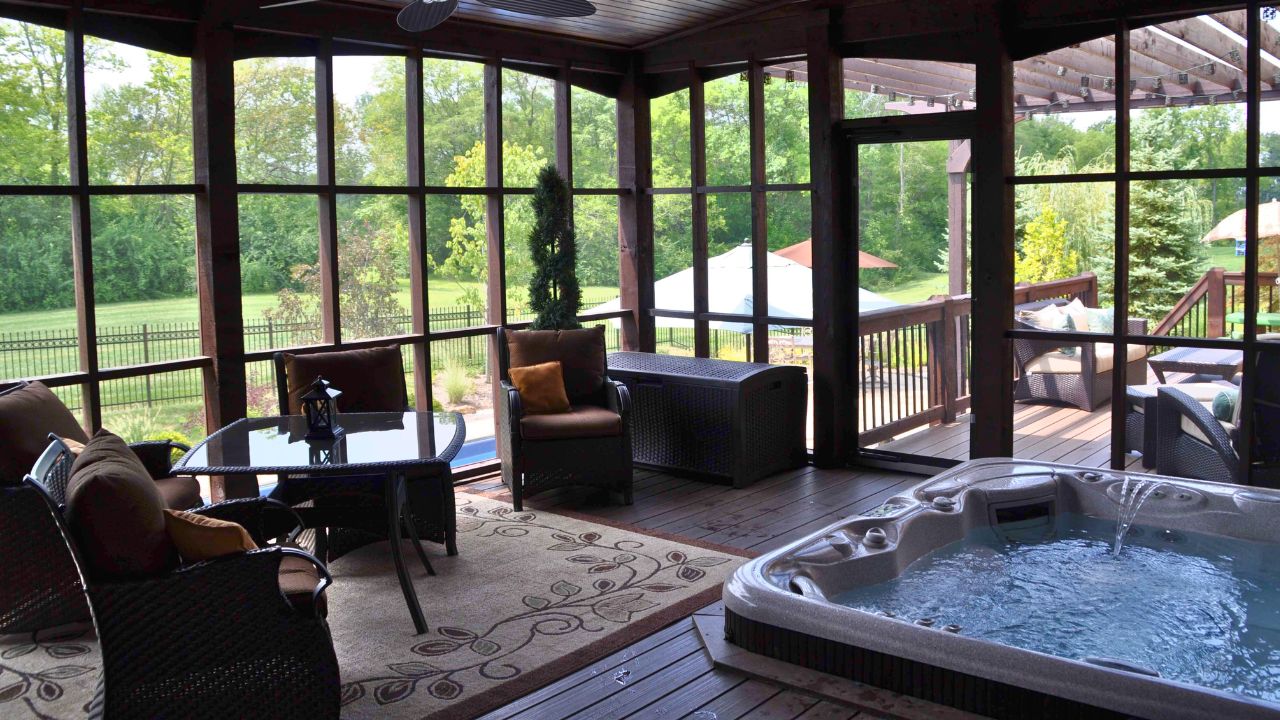
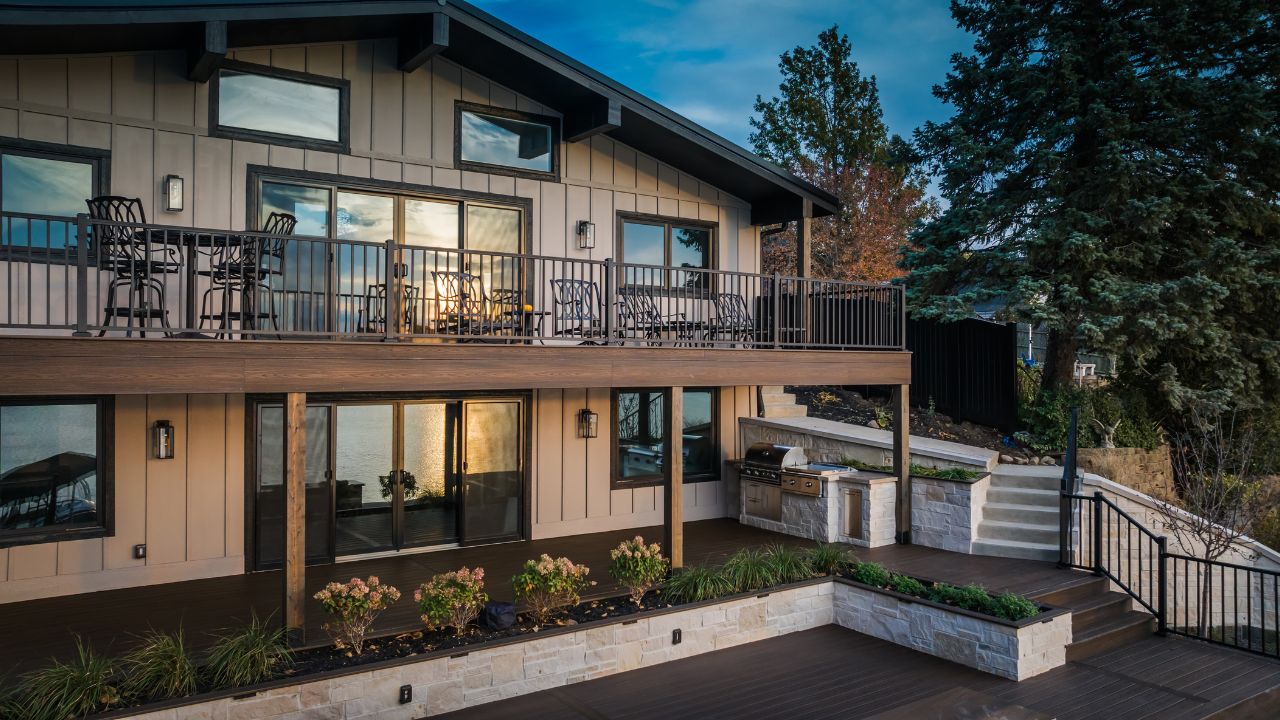
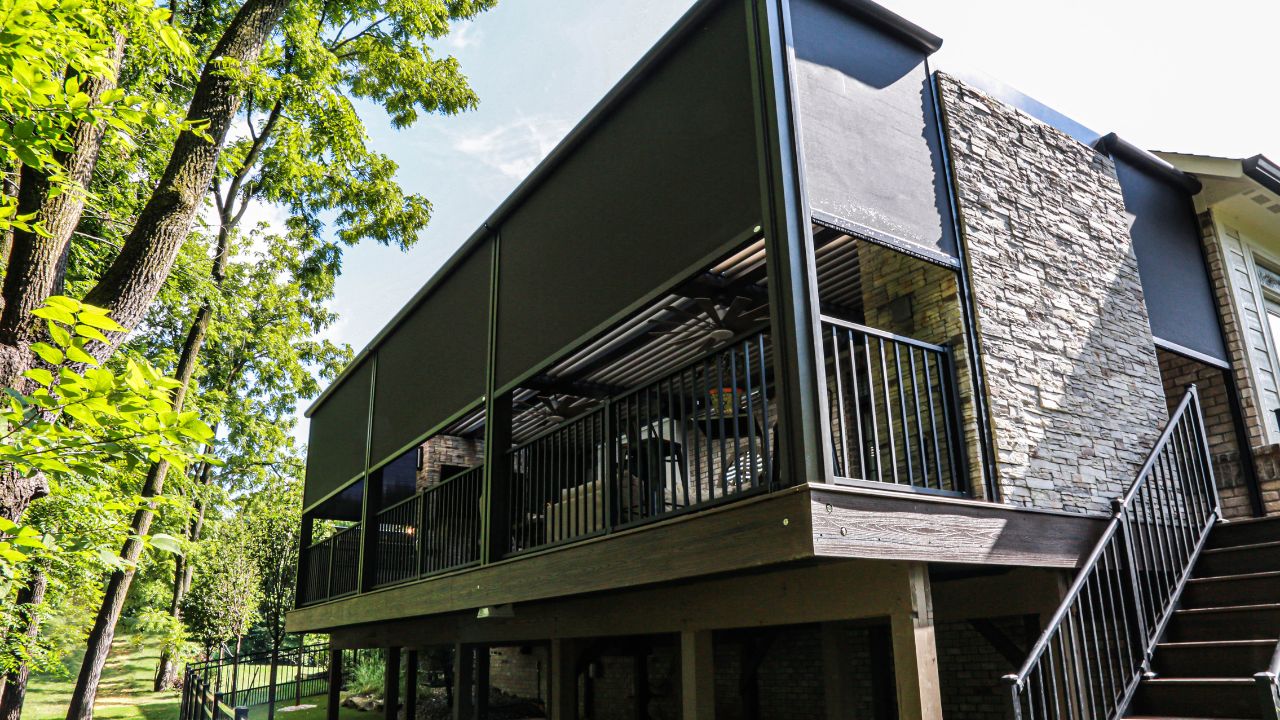
One of the significant advantages of a custom deck is its versatility. You can incorporate various elements like built-in seating, planters, pergolas, lighting, and outdoor kitchens to enhance the functionality of your deck. These features not only add to the deck's visual appeal but also make it more practical for a range of activities.
Key Considerations for Designing a Custom Deck
Purpose and Usage
Before you start designing your deck, think about how you plan to use the space. Do you want an area for hosting large gatherings, or are you looking for a quiet retreat? Understanding the primary purpose of your deck will help you make informed decisions about its size, layout, and features.
Materials
Choosing the right materials is crucial for the longevity and maintenance of your deck. Common materials include wood, composite, and PVC. Each material has its pros and cons. For example, wood offers a natural look but requires regular maintenance, while composite and PVC are low-maintenance options that mimic the appearance of wood.
Location and Layout
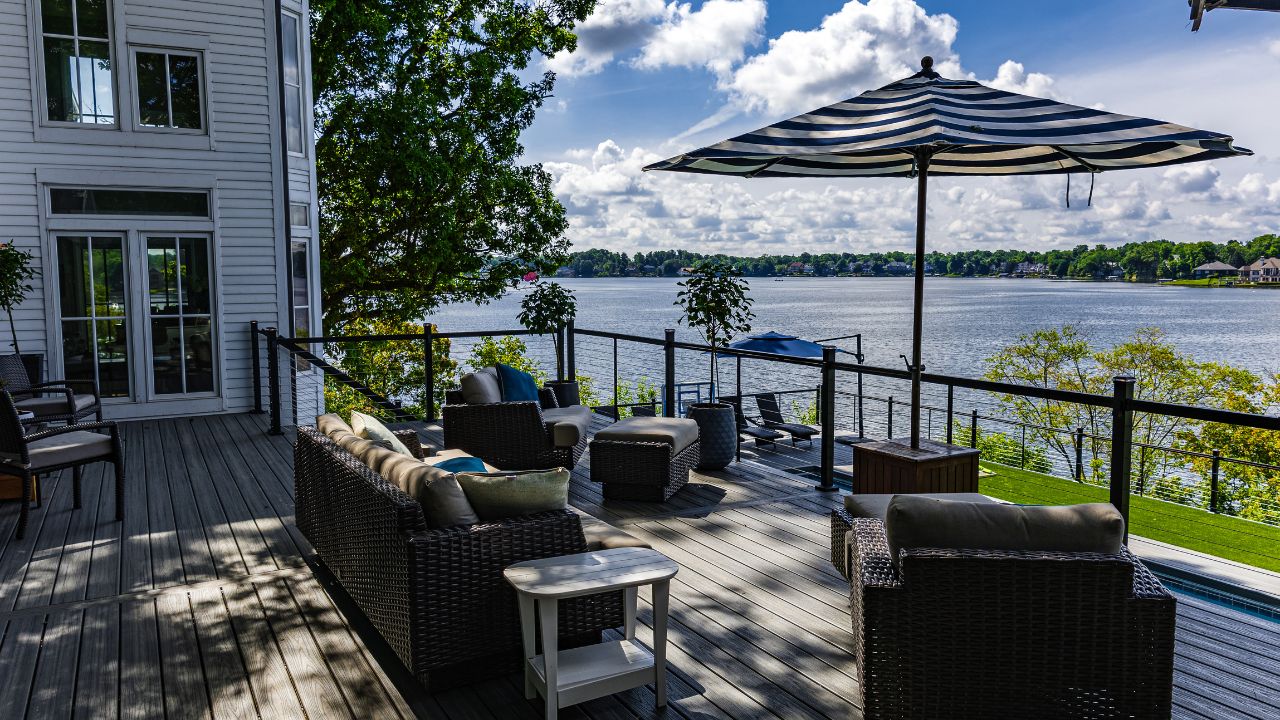
Consider the location and layout of your deck in relation to your home and backyard. Think about factors such as sunlight, wind direction, and privacy. A well-placed deck can take advantage of scenic views, provide shelter from the wind, and offer privacy from neighbors.
Building Codes and Permits
Ensure that your deck complies with local building codes and regulations. You may need to obtain permits before construction begins. Consulting with a professional deck builder can help you navigate the permitting process and ensure your deck is built to code.
Maintenance Tips for Your Custom Deck
Regular Cleaning
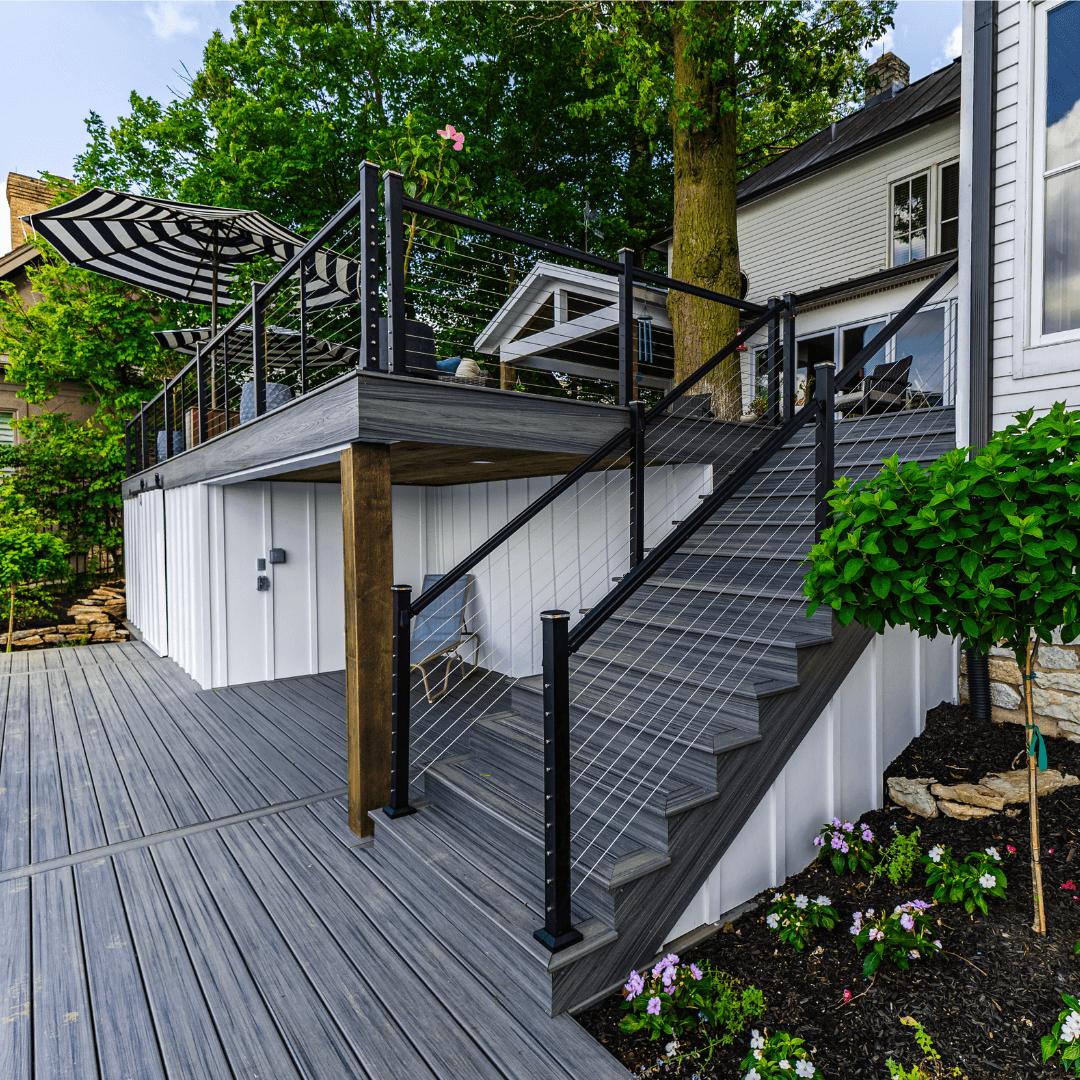
To keep your deck looking its best, regular cleaning is essential. Sweep away debris, leaves, and dirt to prevent staining and mold growth. For deeper cleaning, use a mild detergent and a soft brush to scrub the surface, followed by a thorough rinse with a garden hose.
Sealing and Staining
If you have a wooden deck, sealing and staining it periodically will protect it from the elements and maintain its appearance. These treatments help prevent water damage, fading, and splintering. Given Indiana's climate, you may need to reseal and restain your deck every one to three years, depending on the type of wood used.
Inspect for Damage
Regularly inspect your deck for signs of damage such as loose boards, nails, or screws. Check for cracks, splinters, and signs of rot, especially in areas that are exposed to moisture. Addressing minor issues promptly can prevent more significant problems and prolong the life of your deck.
Protect from Furniture and Grills
Place protective pads under furniture legs and grills to prevent scratches and stains on your deck surface. Avoid dragging heavy objects across the deck, as this can cause damage. If you use a grill on your deck, make sure it is placed on a fire-resistant mat to protect the decking material from heat and grease.
Winter Preparation
Prepare your deck for Indiana’s winter by removing any furniture, planters, and other items. Clean the deck thoroughly and apply a water-repellent sealer to protect it from snow and ice. Avoid using metal shovels to remove snow, as they can scratch the surface.
Conclusion
A custom deck is a valuable addition to any home, offering a personalized outdoor space that enhances your lifestyle and increases your property value. By considering your specific needs, choosing the right materials, and planning the layout carefully, you can create a deck that complements your home and backyard beautifully. With regular maintenance and care, your custom deck will remain a stunning and functional feature of your outdoor living space for many years to come.
Investing in a custom deck is not just about enhancing your home's aesthetic appeal; it's about creating a versatile and inviting area where you can relax, entertain, and enjoy the beauty of nature. Take the first step towards maximizing your backyard potential with a custom deck, and transform your outdoor space into a haven of comfort and style.