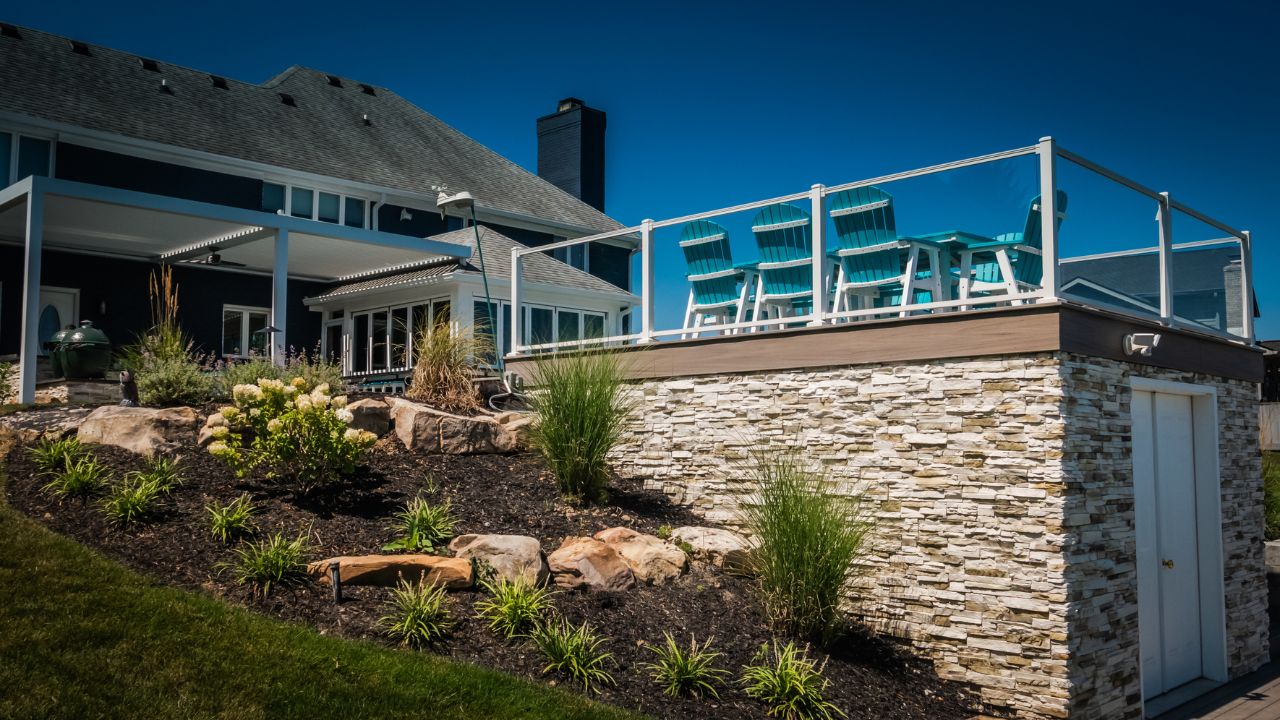

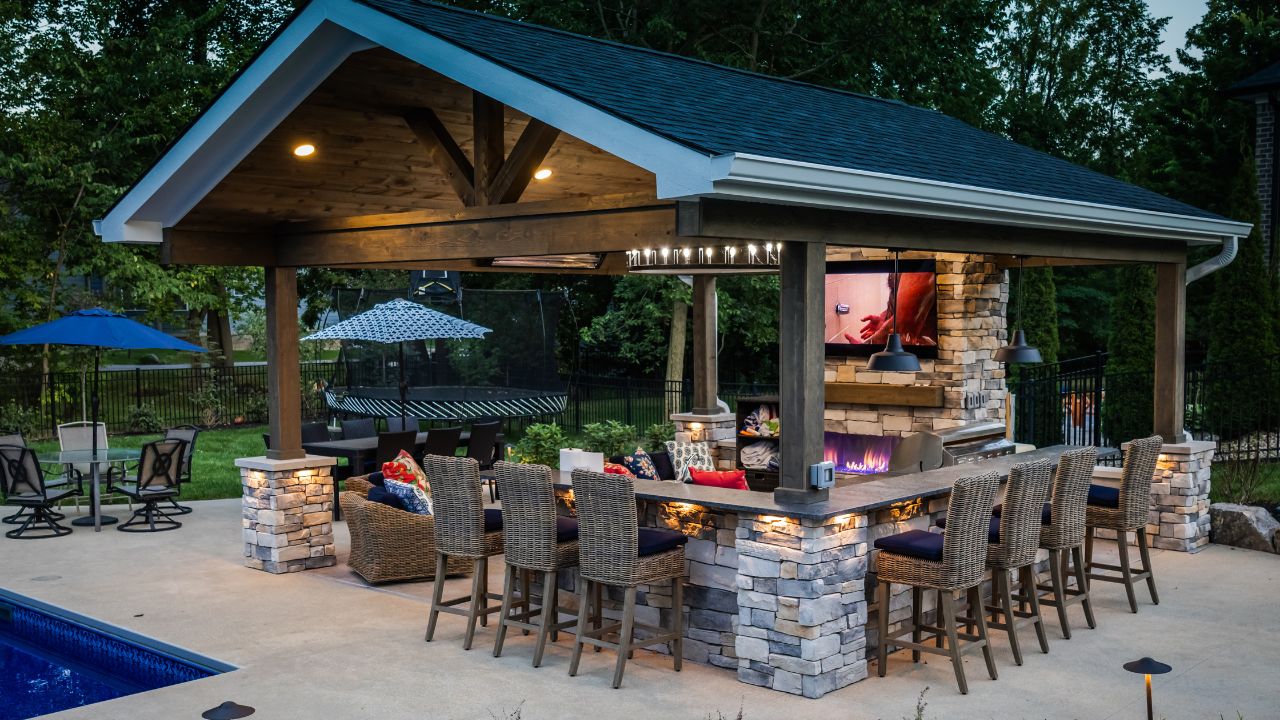
Winter can be hard on outdoor structures like decks, pergolas, and pavilions. To prevent weather-related damage and keep these spaces in top condition, it's essential to prepare them for the cold months. Here are some practical steps to help you winterize your outdoor areas and protect your deck, pergola, and pavilion from freezing temperatures, snow, and ice.
Why Winterizing Outdoor Structures Is Essential
Winter brings a mix of moisture, freezing temperatures, and harsh winds, all of which can damage your outdoor structures. Wooden decks and pergolas may warp or rot due to excess moisture, while metal components can rust. Even pavilions with weather-resistant materials aren't immune to the effects of cold weather if they’re not properly maintained.
By taking some preventative steps, you can avoid costly repairs and extend the life of your outdoor structures.
Step 1: Clean and Clear the Deck
Remove Dirt and Debris
Dirt, leaves, and other debris can trap moisture, leading to mold growth and wood rot. Start by thoroughly sweeping the deck and removing any buildup. For tougher grime, a pressure washer on a low setting can help clean between the deck boards without causing damage.
Check for Mold or Mildew
Any sign of mold or mildew should be dealt with immediately. A simple solution of water and mild detergent or a commercially available deck cleaner can remove these spots. Be sure to dry the deck completely after cleaning, as excess moisture can lead to damage once temperatures drop.
Step 2: Inspect and Repair
Look for Damage
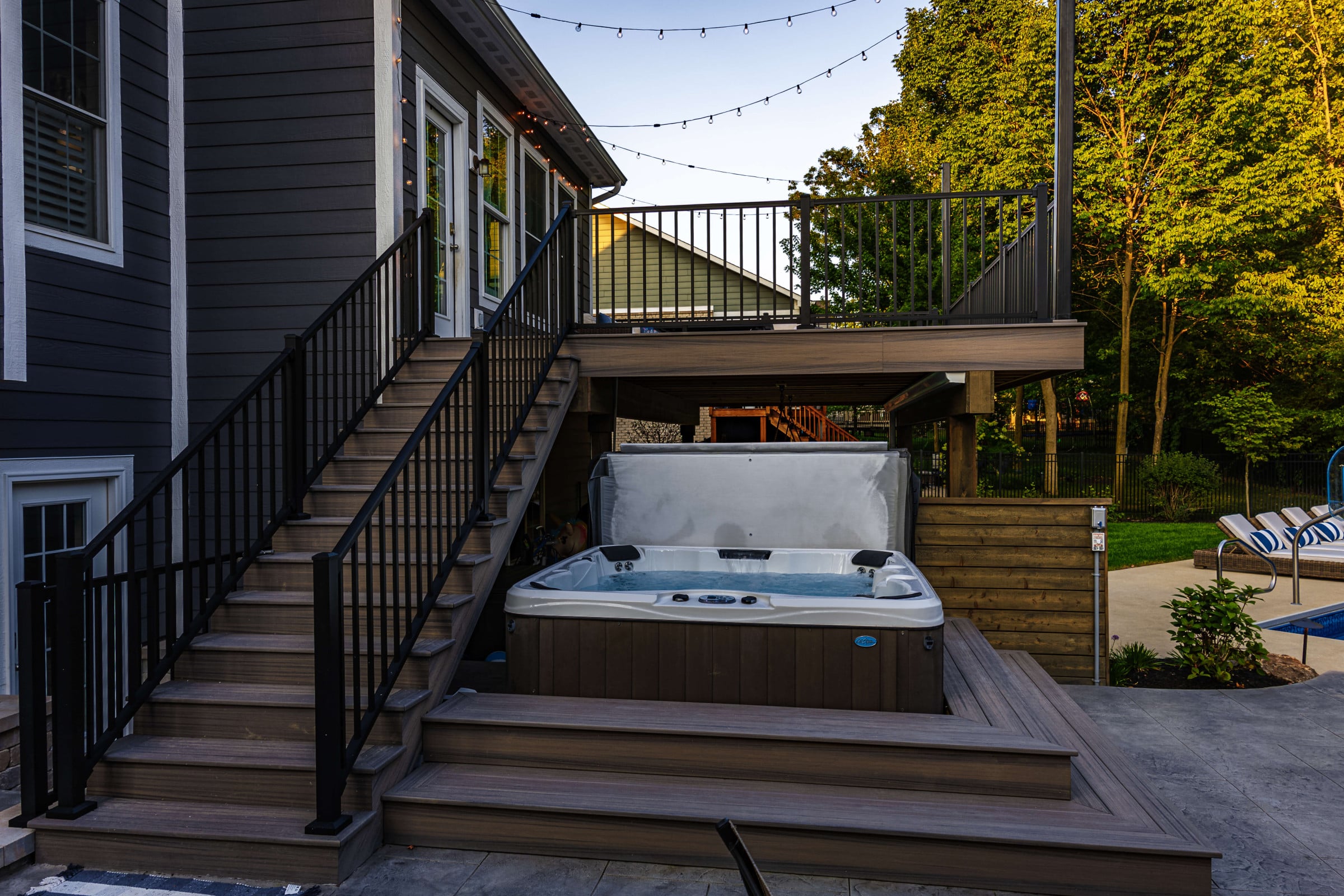
Before the first frost, inspect your deck, pergola, and pavilion for any cracks, loose boards, or nails sticking out. Addressing these small issues now prevents them from becoming bigger problems over the winter. For wooden structures, replace rotting boards or tighten loose screws.
Seal and Stain Your Deck
A fresh coat of sealer or stain is one of the best ways to protect your deck from the elements. Choose a waterproof sealant that’s designed for winter weather. It creates a barrier against moisture, preventing water from soaking into the wood and causing cracks or warping when temperatures fluctuate.
Step 3: Protect Your Pergola
Check for Stability
Pergolas, especially wooden ones, can become unstable over time due to weather exposure. Inspect the posts, beams, and any hardware to ensure they’re secure. Tighten bolts or replace any that are corroded.
Apply a Protective Finish
If your pergola is made of wood, consider applying a water-repellent finish. This protects the wood from moisture and snow accumulation, which can cause decay over time. For metal pergolas, check for rust and remove it with a wire brush before applying a rust-resistant finish.
Step 4: Winterizing Your Pavilion
Clean the Roof and Gutters
It's essential to clean your pavilion’s roof before winter. Leaves, branches, and dirt can clog gutters and downspouts, leading to water pooling on the roof, which increases the risk of leaks or structural damage. Clear the gutters and ensure the drainage system works properly.
Inspect the Foundation
Ensure the foundation of your pavilion is stable and free of cracks. Freezing and thawing cycles can worsen small cracks in concrete or stone foundations, so repair them now to prevent further damage. If your pavilion is built on wood or composite materials, check for any signs of rot or weakness.
Step 5: Store or Cover Outdoor Furniture
Remove or Cover Furniture
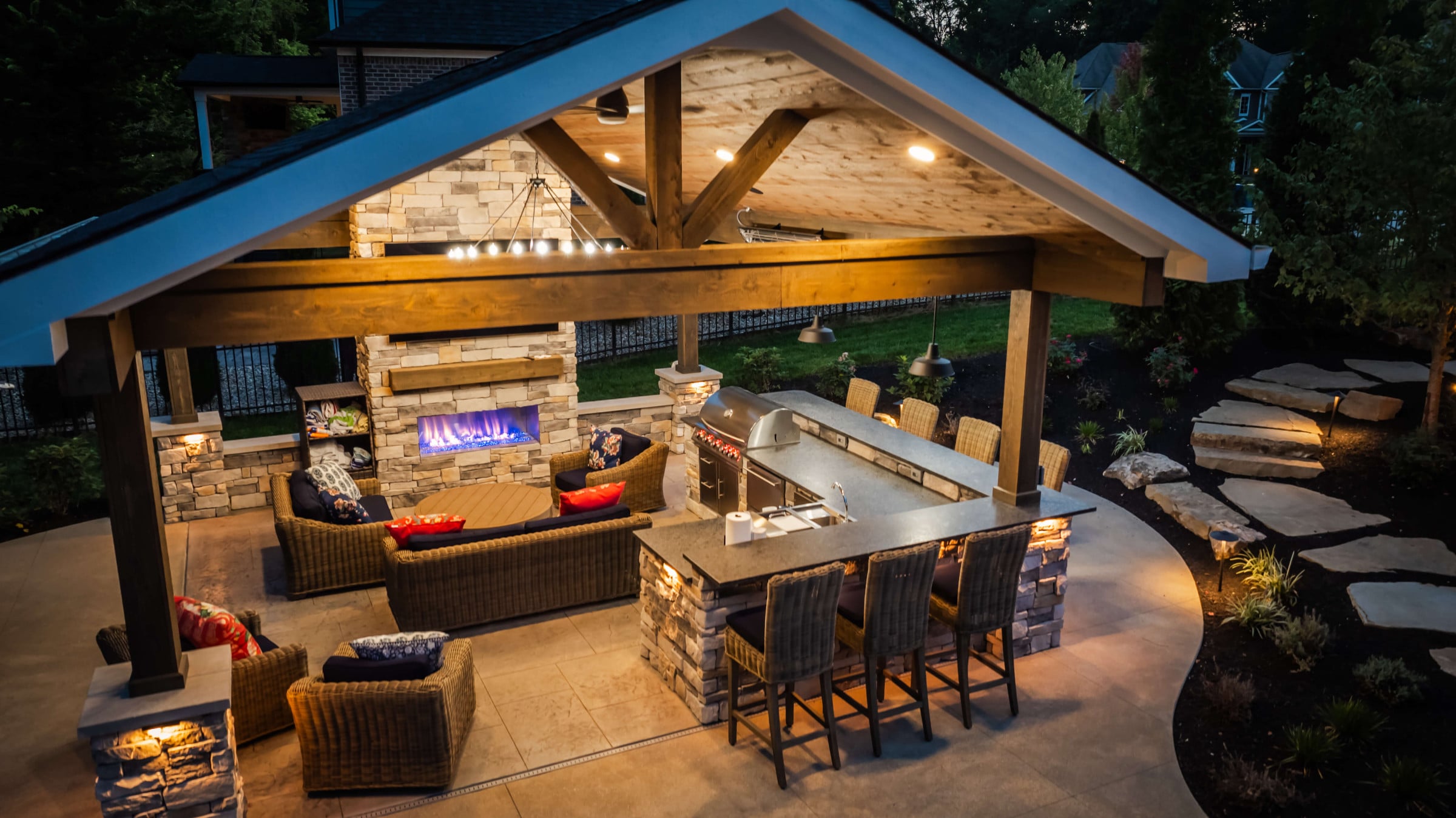
If you have outdoor furniture on your deck, under your pergola, or inside your pavilion, it's a good idea to store it indoors or cover it with weather-resistant covers. This prevents moisture from seeping in, which can cause fading, mildew, or rust during winter.
Secure Lightweight Items
Winter storms can bring strong winds, which can toss around lightweight furniture or décor. If you don’t have space to store everything indoors, secure these items or move them to a sheltered spot to avoid damage.
Step 6: Protecting Electrical and Plumbing Systems
Turn Off Water Lines
If your outdoor structures include any water features like fountains, outdoor kitchens, or even irrigation systems, make sure to turn off the water supply and drain the pipes. Any remaining water can freeze, leading to burst pipes and costly repairs.
Cover Electrical Components
For pavilions with lighting or outdoor electronics, cover or disconnect any exposed electrical components. Ensure that all wiring is sealed, and use weatherproof covers for outlets to prevent moisture damage.
Step 7: Prevent Snow and Ice Buildup
Clear Snow Regularly
Snow and ice can cause significant damage if left to accumulate on your deck, pergola, or pavilion. After heavy snowfall, use a plastic shovel to remove snow from your deck to prevent excessive weight and moisture from damaging the structure. Be careful not to use metal shovels or sharp tools, which can scratch or gouge the wood or surface materials.
Use De-Icer Sparingly
If you need to use de-icing products to prevent slippery surfaces, choose ones that are safe for the material of your deck or patio. Some de-icers contain chemicals that can damage wood, stone, or composite materials, so check the label carefully before applying.
Step 8: Plan for Spring Maintenance
Schedule Early Repairs
Once winter has passed, plan to inspect your outdoor structures again for any winter-related damage. Scheduling any necessary repairs early in the spring will ensure your spaces are ready for use when the warmer months return.
Refresh Stains or Finishes
Even with winter protection, your deck or pergola may need a refresh after months of exposure to the elements. Plan to reapply sealant or stain in the spring to keep your outdoor structures looking their best.
Keep Your Outdoor Spaces Ready for Every Season
By taking the time to prepare your deck, pergola, or pavilion for winter, you can ensure they remain in excellent condition year after year. These simple maintenance tasks protect your investment from moisture, freezing temperatures, and the wear and tear that winter weather can bring. Whether you're enjoying a cozy outdoor fire or planning next summer’s gatherings, keeping your outdoor structures well-maintained will make all the difference.
.jpg)